


How Full Is Your Rain Barrel? Understanding Toxic Load

Every day, your body performs countless tasks to keep you alive. You breathe, digest food, produce energy, repair tissues, and respond to your environment. As a natural result of these processes, your body creates waste that must be processed and eliminated.
At the same time, modern life exposes us to environmental pollutants, chemicals, heavy metals, mold toxins, pathogens, food additives, medications, and other stressors on a daily basis. While the body is equipped to handle and remove many of these challenges, there is a limit to how much it can manage at once.
This is where the Rain Barrel Effect can help us better understand why symptoms often develop.
The Rain Barrel Analogy
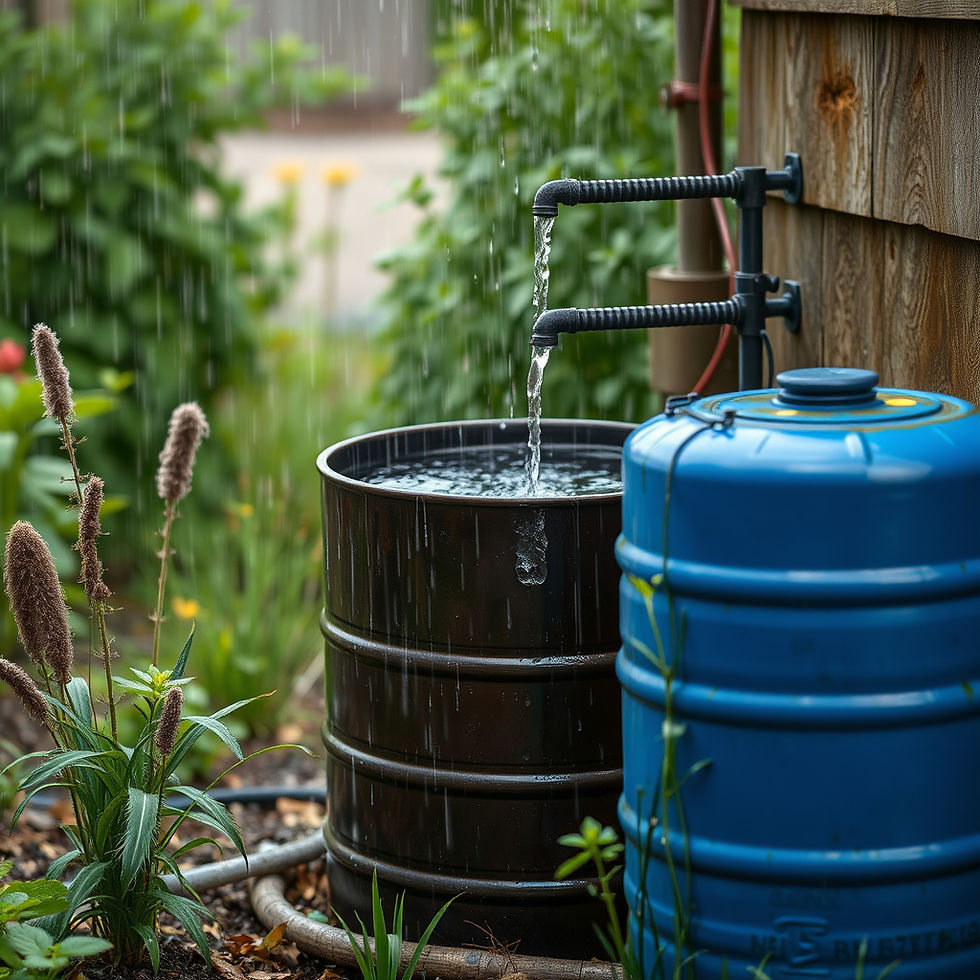
Imagine your body as a large rain barrel. Throughout your life, various stressors drip into that barrel. Some enter through the foods you eat, the air you breathe, the water you drink, or the products you use. Others come from emotional stress, unresolved trauma, infections, poor sleep, nutrient deficiencies, and even inherited predispositions.
At the bottom of the barrel is a drainage spout representing your body's natural detoxification and elimination pathways. These include your liver, kidneys, digestive system, lymphatic system, skin, and lungs. When these systems are functioning well, your body can continuously drain and remove what it no longer needs.
As long as water enters the barrel at a manageable rate and the drain remains open, everything functions smoothly.
The challenge arises when the barrel begins filling faster than it can empty. Over time, stressors accumulate. Eventually, the water level reaches the top and begins to overflow. According to the Rain Barrel Effect, symptoms often appear when the body's cumulative burden exceeds its ability to adapt and compensate. The symptom itself may seem sudden, but the overflow has usually been building for years.
What Fills the Barrel?
Every person's barrel is unique. Some individuals may begin life with a greater burden due to genetics, prenatal exposures, birth history, or family health patterns. Others may have stronger detoxification pathways or a larger capacity to handle stress.
Common contributors that can fill the barrel include:
Environmental toxins and pollutants
Pesticides, herbicides, and food additives
Heavy metals
Mold exposure
Chronic infections and pathogenic organisms
Poor nutrition
Digestive dysfunction
Lack of sleep
Emotional stress
Physical trauma
Unresolved emotional experiences
Sedentary lifestyles
Hormonal imbalances
Nutrient deficiencies
Individually, these factors may not create noticeable symptoms. However, when multiple stressors accumulate over time, the body's ability to compensate may become overwhelmed.
What Does Overflow Look Like?
When the barrel reaches capacity, the body often begins sending signals that something is out of balance.
These signs can vary greatly from person to person and may include:
Fatigue
Brain fog
Headaches
Digestive issues
Skin concerns
Joint discomfort
Weight gain or difficulty losing weight
Hormonal symptoms
Mood changes
Sleep disturbances
Increased sensitivity to foods or environmental triggers
These symptoms are not the root problem - rather, they are indicators that the body's overall burden has exceeded what it can comfortably manage.
Reducing the Flow Into the Barrel
We can focus on reducing unnecessary inputs while supporting the body's natural ability to drain and recover.
Read Ingredient Labels
Many processed foods and personal care products contain ingredients that can add to the body's overall burden.
Consider eliminating/significantly reducing:
Artificial colours and dyes
High fructose corn syrup
Artificial sweeteners
Preservatives
Phthalates
Parabens
Triclosan
BPA
Synthetic fragrances
Sodium Lauryl Sulfate (SLS)
Formaldehyde-releasing preservatives
Prioritize Whole, High-Quality Foods
Whenever possible:
Choose whole, minimally processed foods
Purchase organic produce when it fits your budget
Refer to the Environmental Working Group's Dirty Dozen and Clean Fifteen lists
Shop seasonally
Support local farmers
Use frozen fruits and vegetables as an affordable, nutrient-dense option
Improve Water Quality
Water is one of the most common daily exposures.
Consider:
Properly filtering drinking water
Using a shower filter to reduce chlorine and other contaminants
Checking local water quality reports to better understand potential exposures in your area
Create a Lower-Toxin Home
Simple swaps can make a meaningful difference.
Examples include:
Using glass or stainless-steel food storage containers
Reducing plastic use, especially around heat
Replacing non-stick cookware with stainless steel or cast iron
Choosing lower-toxin cleaning and personal care products
Support Cleaner Indoor Air
Indoor air can contain a surprising number of pollutants.
Helpful practices include:
Opening windows daily when possible
Using high-quality air filtration systems
Changing furnace and air purifier filters regularly
Removing shoes at the door to reduce contaminants tracked indoors
Reduce Electromagnetic Stressors
Reduce unnecessary EMF exposure by:
Turning off Wi-Fi at night
Keeping devices away from the body when not in use
Creating technology-free sleep environments
Support the Body's Natural Drainage Pathways
Focus on foundational habits such as:
Daily movement
Adequate hydration
Quality sleep
Regular bowel movements
Stress management
Deep breathing
Time outdoors
Sauna use
A nutrient-dense diet rich in fiber and antioxidants
These habits help support the systems responsible for keeping the drain open.
*The Rain Barrel Effect is a concept popularized by Dr. Stephen Cabral to help explain how the accumulation of various physical, chemical, emotional, and environmental stressors can contribute to symptoms and chronic health concerns. This article is inspired by and builds upon that educational framework.


Comments